











インフォメーション
LICENSE厚生労働大臣許可医療機関
第二種・第三種再生医療等提供計画 承認済
リペアセルクリニックは、第二種・第三種再生医療提供計画を厚生労働省に提出し受理されました。
-

自己脂肪由来幹細胞を用いた脳血管障害の治療
-

自己脂肪由来幹細胞を用いた糖尿病の治療
-

自己脂肪由来幹細胞を用いた肝障害の治療
-

自己脂肪由来幹細胞を用いた変形性関節症治療
-

自己脂肪由来幹細胞を用いた顔面萎縮症、皮膚再生治療
-

自己脂肪由来幹細胞を用いた脊髄損傷の治療
-

自己脂肪由来幹細胞を用いた慢性疼痛の治療
-

多血小板血漿(PRP)を用いた変形性関節症の治療
-

多血小板血漿(PRP)を用いた筋腱炎、靭帯炎の治療
-

多血小板血漿(PRP)を用いた皮膚再生療法


当クリニックでは、国内では数少ない自己の幹細胞を用いた「変形性関節症」「脳卒中」「糖尿病」「肝障害」「肌の再生」などの最先端の再生医療および、PRP(多血小板血漿)の関節内投与を再生医療安全確保法のもと、自由診療にて提供しています。再生医療とは、厚生労働省が認めた特定認定再生医療等委員会において、厳しく審査が行われ、治療の妥当性・安全性・医師体制などが適切と認められる事ではじめて厚生労働省に治療計画を提出することができます。
自分の細胞を活用し、
蘇らせる「再生医療」とは?
薬での治療は限界ではないだろうか。本当に手術は必要だろうか。
そんな思いで悩んだり、あきらめたりしていませんか?
ケガをしても傷跡が少しずつ薄くなる・・
当たり前のようですが、あなた自身の細胞には、弱ったところ、傷ついたところを修復するチカラがあります。
その細胞のチカラを最大限に引き出して治療を行うことを「再生医療」と呼び、おすすめしています。
リペアセルクリニックの特長
当クリニックは、疾患・免疫・美容という分野すべてを、自己細胞を用いた最先端の医療で行うことができる国内でも珍しい部類の医療機関です。
CPC(細胞加工施設)の高い技術により、冷凍しない方法で幹細胞を投与できるので高い生存率を実現。
ご自身の細胞や血液を利用するため、アレルギーや拒絶反応といった副作用の心配が少ないおすすめの治療方法です。
- 1億の細胞を
投与可能※但し適応による - 高い
安全性 - 入院不要
日帰り - 身体への
負担が少ない - 高い技術力を
もったCPC

できなくなったことを、再びできるように
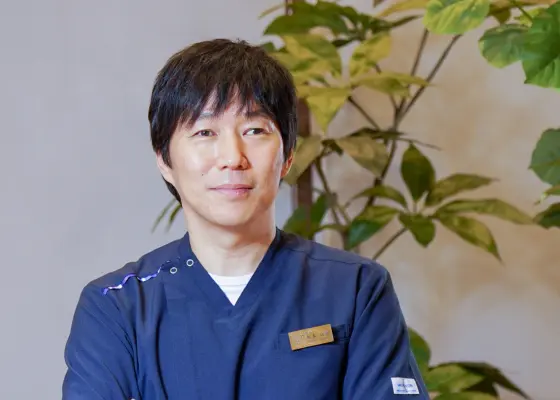
わたしは医学部卒業後、大阪市立大学(現大阪公立大学)医学部附属病院で関節や脊椎の疾患、脊髄損傷などの外来や手術に従事しました。また、救命救急センターで脳卒中や心疾患などの内科疾患を幅広く経験しました。
膝や股関節の人工関節については専門病院で約1000例以上の手術とリハビリを手掛け、その後生まれ育った地元でクリニックを開業いたしました。開業してからも患者さまの痛みや苦痛を少しでも和らげ、人生をより楽しく、明るい気持ちで過ごしてもらいたいという思いを持ち続けて診療を行い、地域の皆さまに愛される医療を目指し在宅医療や訪問看護にも力を注いで参りました。
そんな道を進みながらも、わたしは常に患者さまにどうやったらより質の良い医療を提供できるだろう、という思いを抱き続けて模索を繰り返していました。やはり保険診療の範囲では限界があり、患者さまの生活の質を一定以上回復させることは叶わないからです。
そんな時に再生医療と出会い、新たな可能性を見出すことができました。
再生医療の凄いところは、安全性を担保しながら治療を行う事が出来、しかも一般的には治療が難しいと言われる症状に対しても劇的な回復を見込めるという事です。脳血管疾患や脊髄損傷などで深刻な後遺症を持つ方がみるみる回復していく様に、わたし自身も驚きの連続でした。
また、膝、股関節、肩など関節疾患により大好きなスポーツが出来なくなった方が復帰されたり、手術をするしか選択肢がなかった方に、手術に代わる新たな選択肢をご提供する事が出来るようになった事で、多くの患者さまから「この治療を受けて本当によかった」と大変喜ばれております。
「これ以上回復させることはできないのが常識」という概念を覆したのですから、本当に凄いことです。もちろん再生医療は不治の病を全て治すことのできる万全な治療ではありません。しかし、一般的な医療の効果をはるかに超えて結果を出せる可能性がある事を、わたしはたくさんの実績を通して確信に変えています。
そしてもちろん、脳血管疾患や脊髄損傷、整形外科分野の疾患においてリハビリも欠かせない大事な要素の一つです。再生医療×リハビリの相乗効果で回復の幅がかなり広がることでしょう。
再生医療は、わたしが求め続けていた「人生をより楽しく、明るく過ごしてもらいたい」という医療に対する思いそのものだと感じました。現在も日々たくさんの方々にご来院いただき、たくさんの笑顔を見ることが叶っています。患者ご本人さまやご家族が泣いて喜ぶ瞬間は、何度立ち会っても感慨深く、私の原動力になっております。
再生医療における無限の可能性
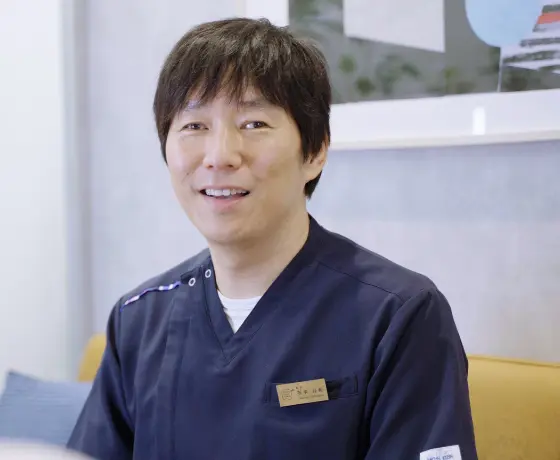
再生医療の治療は、幹細胞という細胞を用いて行う治療です。幹細胞はとても小さく、身体の中をすみずみまで巡り、人の手の及ばない細かな箇所にもアプローチしてくれるものですので、この治療はまだまだ無限の可能性を秘めており、今後も様々な症例が報告されることでしょう。様々な疾患で苦しむ方の希望になるだろうと、わたしは思っています。
また、当院では患者さまご自身の細胞を使いますので安全に治療をお受けいただけます。どうか安心してご来院ください。
「できなくなったことを再びできるように」
人生100年時代、皆様がより楽しく毎日を過ごせることのお手伝いができれば幸甚の至りでございます。
医療法人美喜有会理事長 坂本 貞範
Sadanori Sakamoto
略歴
- 1997年3月
- 関西医科大学 医学部卒
- 1997年4月
- 医師免許取得
- 1997年4月
- 大阪市立大学(現大阪公立大学)医学部附属病院 勤務
- 1998年5月
- 大阪社会医療センター附属病院 勤務
- 1998年9月
- 大阪府立中河内救命救急センター 勤務
- 1999年2月
- 国立大阪南病院 勤務
- 2000年3月
- 野上病院 勤務
- 2003年3月
- 大野記念病院 勤務
- 2005年5月
- さかもとクリニック 開設(2023年3月譲渡)
- 2006年12月
- 医療法人美喜有会設立 理事長就任
- 2019年6月
- リペアセルクリニック大阪院 開設
- 2021年5月
- リペアセルクリニック東京院 開設
- 2023年12月
- リペアセルクリニック札幌院 開設
主な医学論文•学会発表
- 論文名:透析患者に対する鏡視下手根管開放術の費用と手術手技
論文掲載:日本透析医学会雑誌(1340-3451)37巻Suppl.1 Page770(2004.05) - 論文名:IBBC手技を使用したTKAの中期成績
論文掲載:日本人工関節学会誌(1345-7608)30巻 Page35-36(2000.12) - 論文名:寛骨臼巨大骨欠損の再置換法とその成績 同種骨による欠損壁の修復と水酸アパタイト顆粒による空洞の修復
論文掲載:日本整形外科学会雑誌(0021-5325)74巻2号 Page S319(2000.02) - 論文名:骨セメントと骨界面に水酸アパタイト顆粒を介在させる界面バイオアクティブ骨セメント手技(IBBC)
論文掲載:日本整形外科学会雑誌(0021-5325)74巻3号 Page S666(2000.03) - 論文名:外反母趾手術chevron法に対するPLAの使用経験
論文掲載:中部日本整形外科災害外科学会雑誌(0008-9443)42巻1号 Page241-242(1999.01) - 論文名:亜急性に経過した膝蓋骨骨髄炎の1例
論文掲載:中部日本整形外科災害外科学会雑誌(0008-9443)41巻4号 Page1107(1998.07)
当院で再生医療を
サポートする専門医
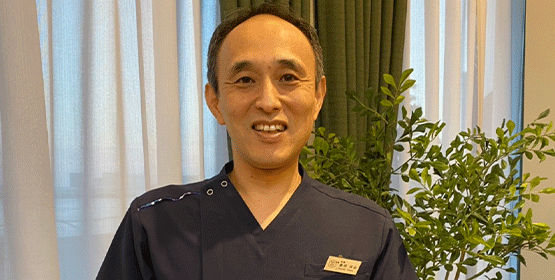
藤間 保晶 院長
Yasuaki Toma
略歴
- 1995年3月
- 三重大学医学部学科卒業
- 1995年4月
- 奈良県立医科大学 整形外科入局
- 1996年1月
- 奈良県立奈良病院 救命救急センターおよび麻酔科(救急医療、麻酔)
- 1997年1月
- 三重県大台厚生病院 整形外科(へき地医療)
- 1998年1月
- 大阪松原市立病院 整形外科
- 2000年1月
- 済生会富田林病院 整形外科
- 2002年1月
- 奈良県立三室病院 整形外科
- 2004年7月
- 済生会奈良病院 整形外科
- 2006年7月
- 市立奈良病院 整形外科
- 2008年7月
- 国立病院機構奈良医療センター 整形外科・リハビリテーション科
- 2017年1月
- 市立奈良病院 整形外科・リハビリテーション科
- 2019年4月
- 石心会(新東京石心会)グループ さいわい鶴見病院 関節外科
主な医学論文•学会発表
-
論文名:Early bone in-growth ability of alumina ceramic implants loaded with tissue-engineered bone再生培養骨を導入したアルミナセラミックス製インプラントの早期骨形成能について
著者:Tohma Y, Tanaka Y, Ohgushi H, et al.
論文掲載:Journal of Orthopaedic Research 24(4): 595-603, 2006. -
論文名:Bone marrow-derived mesenchymal cells can rescue osteogenic capacity of devitalized autologous bone自家培養骨髄由来間葉系細胞による壊死骨の骨形成能救済技術の開発
著者:Tohma Y, Ohgushi H, Morishita T, et al.
論文掲載:Journal of Tissue Engineering and Regenerative Medicine 2(1): 61-68, 2008. -
論文名:Basic and Clinical Research into Alumina Ceramic Artificial Joint Prosthesis loaded with Tissue-engineered Bone再生培養骨を導入したアルミナセラミックス製インプラントを用いた基礎研究および実際の人工足関節手術での治療成績
著者:Tohma Y, Tanaka Y, Ohgushi H, et al.
論文掲載:Tissue Engineering Research Trends, Nova Science Publishers, Inc.: 183-197, 2008.
-
4. 論文名:骨への幹細胞移植
著者:藤間保晶, 大串始, 田中康仁, 他.
論文掲載:病理と臨床27(4): 367-371, 2009. -
5. 論文名:Osteogenic activity of bone marrow-derived mesenchymal stem cells (BMSCs) seeded on irradiated allogenic bone培養骨髄由来間葉系細胞による同種壊死骨の骨形成能救済技術の開発
著者:Tohma Y, Dohi Y, Ohgushi H, et al.
論文掲載:Journal of Tissue Engineering and Regenerative Medicine 6(2): 96-102, 2012. -
6. 論文名:再生医療におけるアログラフト
著者:藤間保晶, 大串始, 田中康仁
論文掲載:再生医療における臨床研究と製品開発. 技術情報協会:109-115, 2013. -
7. 論文名:Reg Gene Expression in Periosteum after Fracture and its In Vitro Induction Triggered by IL-6. 骨折後の骨膜に再生遺伝子(Reg遺伝子)が出現することを発見し、インターロイキン6により誘導されることを見出した研究
著者:Tohma Y, Dohi Y, Shobatake R, et al.
論文掲載:Int. J. Mol. Sci. 18(11): 2257, 2017. - ほか多数
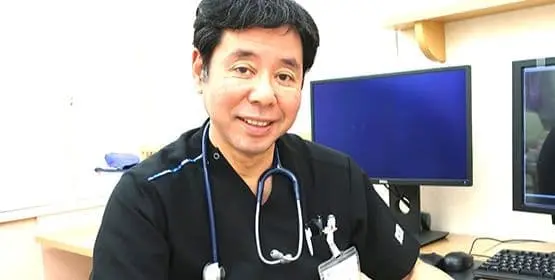
渡久地 政尚
Masanao Toguchi
略歴
- 1991年3月
- 琉球大学 医学部 卒業
- 1991年4月
- 医師免許取得
- 1992年
- 沖縄協同病院 研修医
- 1994年
- 沖縄協同病院 外科 勤務
- 2000年
- 癌研究会附属病院 消化器外科 勤務
- 2008年
- 沖縄協同病院 内科 勤務
- 2012年
- 老健施設 かりゆしの里 勤務
- 2013年6月
- 医療法人美喜有会 ふたこクリニック 院長
- 2014年9月
- 医療法人美喜有会 こまがわホームクリニック 院長
- 2017年8月
- 医療法人美喜有会 訪問診療部 医局長
所属学会
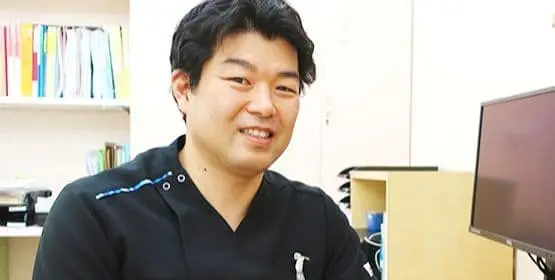
圓尾 知之
Tomoyuki Maruo
略歴
- 2002年3月
- 京都府立医科大学 医学部 医学科 卒業
- 2002年4月
- 医師免許取得
- 2002年4月
- 大阪大学医学部附属病院 脳神経外科 勤務
- 2002年6月
- 関西労災病院 脳神経外科 勤務
- 2003年6月
- 大阪大学医学部附属病院 脳神経外科 勤務
- 2003年12月
- 大阪母子医療センター 脳神経外科 勤務
- 2004年6月
- 大阪労災病院 脳神経外科 勤務
- 2005年11月
- 大手前病院 脳神経外科 勤務
- 2007年12月
- 大阪大学医学部附属病院 脳神経外科 勤務
- 2012年3月
- 大阪大学大学院 医学系研究科 修了(医学博士)
- 2012年4月
- 大阪大学医学部 脳神経外科 特任助教
- 2014年4月
- 大手前病院 脳神経外科 部長
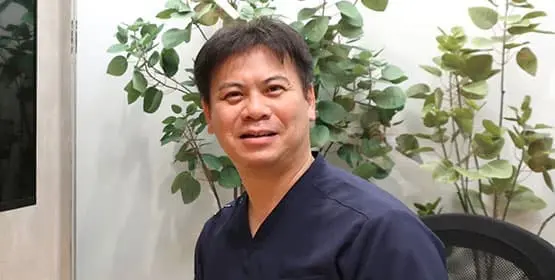
加藤 秀一
Shuichi Kato
略歴
- 1997年3月
- 埼玉医科大学 医学部 卒業
- 1997年4月
- 医師免許取得
- 1997年4月
- 三重大学附属病院 整形外科 研修医
- 1998年4月
- 伊賀市立上野総合病院 整形外科 勤務
- 2000年6月
- 鈴鹿中央病院 整形外科 勤務
- 2001年6月
- 三重大学医学部大学院 整形外科学 勤務
- 2003年4月
- 医療法人山本総合病院 整形外科 勤務
- 2004年4月
- 三重県立総合医療センター 整形外科 勤務
- 2006年4月
- 四日市社会保険病院 整形外科 勤務
- 2008年4月
- 医療法人博仁会 村瀬病院 整形外科 勤務
- 2008年9月
- 医療法人美喜有会 理事
- 2009年4月
- 医療法人美喜有会 整形外科みきゆうクリニック 管理者

症例紹介
-
- ひざ関節の症例
- 幹細胞治療の症例
- PRP治療の症例
両変形性膝関節症に幹細胞治療 こちらの患者様は10年前からの左膝関節痛、1年前からの右膝関節痛のため受診していただきました。 南の島で漁師をしている患者様は、仕事で膝へ負担がかかり両膝の痛みが出たと自己分析しておられました。近くの整形外科では両膝の進行期の変形性関節症と診断されました。ヒアルロン酸注射や内服での保存的加療を行ってきましたが、最近は痛みが悪化し漁師の仕事に支障をきたすようになったそうです。 いったん人工関節をしてしまうと耐用性の問題、可動域の問題などから仕事復帰が難しくなるため、選択肢にはないそうです。まだまだ引退することを考えていない患者様は、再生医療を頼って受診されました。 当院の変形性膝関節症の幹細胞治療効果は、末期に至る前の初期、進行期であれば80%から90%の方に満足のいく結果を残せています。末期の方であっても70%から80%の方に満足いただいています。その良好な治療効果は、当院の細胞の質と量へのこだわりによるものと考えています。 当院では冷凍せず幹細胞を培養し、さらに投与する度に培養しているため細胞の生存率は90%以上を誇っています。国内のほとんどのクリニックでは一度に培養して幹細胞を一度冷凍し、投与する際に解凍する方法をとります。それでは解凍する際に幹細胞は大きなダメージを受け、生存率が60%まで低下し、さらに生きている細胞も弱々しいものとなります。 さらに米粒2~3粒程度の脂肪細胞を採取するだけで1億個以上の数まで生き生きとした細胞の培養が可能です。これは、細胞培養時に用いる独自の特殊なシートや繊細な技術をもつ培養師さんのおかげです。一般的なクリニックでは生存率60%の2千万個ほどの幹細胞を投与しているため、実際には生きている細胞は1000万個ほどになってしまいます。一方、当院では冷凍せず培養された生き生きした幹細胞を1億個まで投与可能です。幹細胞の数が多いほど多く軟骨が再生され治療効果が高いということは海外の臨床データで実証済みです。 さらにご自身の血液を用いてかつ不純物や化学薬品を排除して培養しているため、アレルギー反応や副作用の心配もありません。 レントゲン所見 レントゲンでは両膝とも内側関節裂隙の狭小化を認めました。左の方が狭小化は強いです。 <治療効果>左膝に7000万個細胞を計3回、右膝に3000万個細胞を計3回投与+PRP 変形と痛みが強い左膝には7000万個細胞を計3回、右膝には3000万個細胞を計3回投与しました。 その結果、初回投与から3か月後には、左膝は投与前10段階中で9あった痛みが3に、右膝も投与前3であった痛みが0まで軽減しました。 今後も1年ほどかけて、左膝の痛みは軽減していくと思われます。 <治療費> ・関節1部位 幹細胞数 ( 2500万個~1億個) 投与回数 (1回~) 132万円(税込)~ ・PRP治療 16.5万円(税込) <起こりうる副作用> ・細胞採取部の内出血や創部感染、傷跡などが起こることがあります。 ・症状によりMRIやCTなどの検査を受けて頂く事があります。 ※こちらでご紹介している症例は一部の患者様です。掲載以外の症例も多数ございます。ご自身の症状については、お気軽にご相談ください。 ID T000139 再生医療医師監修:坂本貞範
2024.04.11 -
- 脳卒中の症例
- 糖尿病の症例
- 肝臓疾患の症例
- 幹細胞治療の症例
糖尿病のHbA1c と肝機能の数値がかなり改善する この方は、糖尿病と肝機能数値が高い状態で、合併症として3年前に脳出血を起こしています。 糖尿病になると、全身の血管に炎症を起こして血管自体が脆くなります。そこに、コレステロールやアルコールなどによってさらに血管が傷つき、結果的に脳血管が敗れてしまい脳出血を起こす原因となるのです。 日本で病院の通院の原因となる疾患の第1位は、高血圧です。高血圧により血管が硬くなって脆くなると、糖尿病や高脂血症になる確率が数倍上がります。このように私たちの血管が脆くなると、色々な病気を発症しやすい環境となるのです。 幹細胞による再生医療では、この方のように異常をきたしている膵臓と肝臓にはもちろん効果はあります。それと同時に、全身の血管に対して傷ついているところも修復及び再生を促します。いくら規則正しい生活を送っていても年齢とともに必ず血管は硬くなります。50代に入ると約6割の方が高血圧症になると言われています。高血圧になると糖尿病、腎臓病、脂質異常症、脳卒中の確率が上がることになります。できるだけ、きれいな状態の血管を維持することが健康の維持につながります。 夢のような話ですが、幹細胞により臓器や血管をきれいにすることが実証されています。当院でも、幹細胞投与により脳血管の詰まりが解放されたり、血管年齢が若返る症例はいくつもみられました。さらに、当院では厚生労働省の許認可により2億個の幹細胞を投与することができます。一般的には1億個の投与となりますが、2億個の幹細胞を投与することで1億個にはみられない高い効果も見られます。幹細胞治療においても、一般の治療と同じで、何事も症状が悪化する前に治療をすることをお勧めします。 投与後の変化 患者様の実際のデータがこちらです。 厚生労働省認可済【2億個の幹細胞】投与を実現 2024年1月より、当院では肝臓疾患に対する点滴において幹細胞数2億個の投与が厚生労働省からの許認可により可能となりました。これにより、従来の幹細胞1億個の投与よりも高い治療効果が期待できるようになりました。 <治療費> 幹細胞点滴 投与回数(1回~) 242万円(税込)~ <起こりうる副作用> ・細胞採取部の内出血や創部感染、傷跡などが起こることがあります。 ・症状によりMRIやCTなどの検査を受けて頂く事があります。 ※こちらでご紹介している症例は一部の患者様です。掲載以外の症例も多数ございます。ご自身の症状については、お気軽にご相談ください。 ID T000722 再生医療医師監修:坂本貞範
2024.04.08 -
- 股関節の症例
- 幹細胞治療の症例
- PRP治療の症例
両変形性股関節症に幹細胞治療 こちらの患者様は9年前からの両股関節痛のため受診していただきました。 9年前に近くの整形外科で変形性股関節症と診断され、3年前には右股関節は軟骨がなくなってしまい、末期の関節症と診断され人工関節を勧められました。「まだ50代と若いので人工関節は早いのでは。今後新たな仕事にも挑戦したい」と、これまで内服薬でしのいでこられました。しかし最近では痛みが悪化し、内服薬の効果も軽減してきました。 さらにレントゲンやMRI撮影をすると右大腿骨頭には骨嚢胞が2つみつかり、「骨嚢胞が潰れると激痛が出現してしまうため、その時は人工関節は避けられない」と主治医に言われたそうです。そこで骨嚢胞を圧壊させない方法や人工関節以外で痛みを取る方法があるのではないかと模索し、当院のホームページに行きつき再生医療へ興味を持たれ受診されました。 骨嚢胞とは、はっきりとした原因はわかっていませんが、変形性関節症において軟骨損傷部位から関節液などが骨に侵入し、骨の溶解が起こり空洞ができた状態のことです。股関節では大腿骨頭と臼蓋の両方に、もしくは一方にできます。小さいものから大きなものまで大きさは様々で、その数も1つだけの場合から沢山できる場合もあります。荷重面に大きな骨嚢胞ができると、体重をかけたときに潰れてしまうことがあります。いったん骨嚢胞が潰れてしまうと、激痛が出現し歩行が困難になります。その場合には人工関節を選択せざるを得なくなります。 患者様は骨嚢胞が圧壊する前に当院を受診していただき私達は安心しました。骨嚢胞が潰れる前であれば、幹細胞を投与すると骨嚢胞が小さくなる症例も数多く経験しておりますので、将来的な人工関節も回避できると考えているからです。これは当院独自の細胞シートによる培養と、冷凍せずにその都度培養する方法によって生み出された強い生命力の幹細胞のおかげであると考えています。この製法の幹細胞であれば個人差はあるもののほとんどの方が長期間、骨嚢胞の圧壊を防ぎ人工関節を回避できてきた治療実績があります。 レントゲン レントゲンでは両股関節の関節裂隙の狭小化を認めましたが、右股関節は左股関節と比べるとかなり狭くなっています。 MRIでは右大腿骨頭の荷重面に2つの骨嚢胞がありますが、幸い圧壊はしていません。 <治療効果>両股関節に1億個細胞ずつ計4回投与+PRP 両股関節に1億個細胞ずつ、計4回投与しました。 初回投与後半年で、右股関節は投与前10段階中6であった痛みが3となりました。左股関節は投与前2であったのが0になりました。 大腿骨頭に骨嚢胞があり、いつ圧壊するのか不安を抱えている方にとっては、幹細胞投与はお勧めの治療法であると考えています。 動画はこちら <治療費> ・関節1部位 幹細胞数( 2500万個~1億個 ) 投与回数( 1回~)132万円( 税込 )~ ・PRP治療 16.5万円( 税込 ) <起こりうる副作用> ・細胞採取部の内出血や創部感染、傷跡などが起こることがあります。 ・症状によりMRIやCTなどの検査を受けて頂く事があります。 ※こちらでご紹介している症例は一部の患者様です。掲載以外の症例も多数ございます。ご自身の症状については、お気軽にご相談ください。 ID T000357 再生医療医師監修:坂本貞範
2024.04.05 -
- 肝臓疾患の症例
- 幹細胞治療の症例
点滴投与で痩せやすい体質に!8キロものダイエットに成功 こちらの患者様は15年前に高脂血症を指摘され5年前から内服処方を受けていますが、改善がないと受診されました。さらに内科でエコーやCT検査の結果、脂肪肝とも診断され、食事と運動に気を付けるように指導されました。しかし仕事が忙しく、夜の付き合いも多いため難しいとのことで、再生医療を頼って当院を受診されました。 肝臓は文字通り、内臓の中で一番大きく肝になる臓器です。その働きはたんぱく質、脂質、糖などの栄養素の貯蓄、アルコールや有害物質の解毒・分解、消化酵素である胆汁の生成です。脂肪肝とは、摂りすぎて消費しきれない脂肪や糖質が中性脂肪となり、肝臓の周りにたまった状態のことです。脂肪肝の原因は、食べすぎ、お酒の飲みすぎ、運動不足、肥満が原因と言われています。長時間労働、ストレスフルな人間関係、24時間手軽に食品が購入可能なコンビニの普及、忙しくて運動する時間が取れない現代においては、成人男性の4割が脂肪肝であると言われます。 怖いのは「肝臓は沈黙の臓器」と言われ、脂肪肝、肝硬変になっても症状はありません。脂肪肝だと思って放置していたら知らないうちに肝硬変となり肝臓がんが突然発見される可能性もあるのです。 脂肪肝のように慢性的に肝炎状態が続くと、肝臓の線維化が進み肝臓自体が硬くなり肝硬変となります。線維化した肝臓はもとには戻らないと言われています。脂肪肝・肝硬変に関しては確立された治療法はありません。生活習慣の改善が主な治療法となりますが、これ以上肝臓が線維化しないようにといった予防的な意味合いしかありません。現在の保険診療の治療では、脂肪肝も肝硬変も根本的な治療はありません。当院ではそういった肝障害に対して再生医療を提供してきました。 具体的には、下腹部から採取した脂肪細胞から幹細胞を分離・培養し、幹細胞のホーミング効果を期待して静脈から点滴します。ホーミング効果とは、体内に入った幹細胞が再生を必要としている部位・組織から放出されるシグナルを見つけ出し、その部位・組織に自動的に集まり、目的の細胞に分化したり、傷んだ部位・組織を修復することです。 肝臓の再生医療においては、投与された幹細胞は肝臓の炎症や線維化して硬くなってしまった組織を発見し、溶解・修復させることです。よって点滴する幹細胞は生きていないとホーミング効果が期待できません。当院で使用する細胞は、冷凍保存せず投与するたびに培養しているため2回目、3回目に投与する細胞も生存率90%以上の生き生きとしたフレッシュな細胞です。幹細胞に十分なホーミング効果を発揮してもらうには点滴する幹細胞の数も重要と考えています。 当院の細胞培養は細胞培養技術がトップクラスの施設と提携して行うため、米粒2~3粒程度の脂肪細胞を採取するだけで1億個以上の数まで細胞培養が可能です。2024年からは、厚生労働省より2億個の幹細胞を投与できる許認可を得ることができました。これにより従来の1億個の幹細胞より高い効果が期待できます。 CT初見 腹部CTでは肝臓は脾臓よりも黒っぽく脂肪肝であることがわかります。 投与後の変化 1億個細胞を計5回点滴投与しました。 5回目の血液検査で、投与前はγ―GTP128であったのが投与後には68まで低下、中性脂肪は634であったのが340まで低下しました。 痩せやすい体質と前向きな気持ちを手に入れダイエットに成功し、患者様にはこれからも健康増進に取り組んでいただけそうで私達もうれしく思いました。 厚生労働省認可済【2億個の幹細胞】投与を実現 2024年1月より、当院では肝臓疾患に対する点滴において幹細胞数2億個の投与が厚生労働省からの許認可により可能となりました。これにより、従来の幹細胞1億個の投与よりも高い治療効果が期待できるようになりました。 <治療費> 幹細胞点滴 投与回数(1回~) 242万円(税込)~ <起こりうる副作用> ・細胞採取部の内出血や創部感染、傷跡などが起こることがあります。 ・症状によりMRIやCTなどの検査を受けて頂く事があります。 ※こちらでご紹介している症例は一部の患者様です。掲載以外の症例も多数ございます。ご自身の症状については、お気軽にご相談ください。 ID T000393 再生医療医師監修:坂本貞範
2024.03.25
坂本理事長のブログ
藤間院長のブログ
スタッフブログ
トピックス
-
- 内科疾患、その他
- 内科疾患
高血圧の薬(降圧薬)その種類と効果、副作用とは?内科医が解説 高血圧の薬(降圧薬)は血圧を下げる薬のことを指します。高血圧は、まずは運動や塩分制限などによる生活習慣の見直しによって血圧の改善を図ったり、動脈硬化の予防が重要ですが、それでも難しい場合には降圧薬を使用します。 たくさんの種類があるため、実際に降圧薬を飲んでいらっしゃる方の中には、一体どういった違いがあるのか分からずに「ほんとうに飲んでいて大丈夫だろうか?」「何か悪い作用があるのではないか?」と心配になってしまうこともあるかと思います。 薬にはそれぞれ特徴とする作用と副作用があります。 この記事では、降圧薬について、種類ごとにその特徴を専門医が解説していきます。降圧薬についての正しい情報を身につけて健康な時間をすごせるよう、ぜひ最後までお読み下さい。 降圧薬|主な7種類と副作用や注意点 よく使用される降圧薬の種類は大きく分けて7種類。数種類を組み合わせた配合薬もあります 。 まず前提として、現在のガイドライン上では120/80mmHg未満を正常血圧としており、これを1つの目安として薬を処方しています。 最近ではより厳格な血圧管理が重要視されるようになり、血圧130〜139/80〜89mmHgになると、「高値血圧」と呼ぶようになりました。これより高くなり140/90mmHg以上になると「高血圧症」と診断します。 ①カルシウム拮抗薬:最も多く使われている薬 末梢の血管を拡張させることで血圧を下げる作用の薬です。現在国内で最も多く処方されている降圧薬です。その理由はなんといっても、確実な血圧降下作用と、副作用が少なく安全に使いやすい薬であることです。 医師側にとっても副作用が少ないことは処方のしやすさにつながり、高血圧の治療を開始する場合には、このカルシウム拮抗薬が第一選択として選ばれることが非常に多くなります。 主なカルシウム拮抗薬の商品名(後発品含む) ・アダラート ・アムロジピン ・アムロジン ・ノルバスク ・ランデル ・アテレック ・カルブロック ・コニール など カルシウム拮抗薬の副作用や注意点 副作用は、基本的に血圧を下げる作用によるものと考えることができます。したがって、血圧が下がりすぎてしまうことが原因で生じるめまい感や、動悸、頭痛、ほてり感、顔面紅潮、浮腫などがあります。また、歯茎が肥厚してしまう副作用もまれながら報告されています。 ・めまい感 ・動悸 ・頭痛 ・ほてり感 ・顔面紅潮 ・浮腫 ・歯茎の肥厚 など ②アンジオテンシンⅡ受容体拮抗薬(ARB):2番目に多く使われている薬 カルシウム拮抗薬に次いで多く使用されている降圧薬です。アンジオテンシンⅡ受容体は血管等に分布しており、アンジオテンシンという物質が結合することで強力な血管収縮作用を持ちます。ARBはこの受容体に結合することで、アンジオテンシンの結合を防ぎ、血管収縮作用を抑えることで血圧を低下させる作用を持ちます。この薬も副作用が少なく使用しやすい薬の一つです。治療の第一選択として使用することもありますし、カルシウム拮抗薬でも十分に降圧が得られない場合に上乗せして使うことも一般的です。 主なARBの商品名(後発品含む) ・オルメテック ・オルメサルタン ・アジルバ ・アジルサルタン ・ミカルディス ・テルミサルタン など ARBの副作用や注意点 カルシウム拮抗薬と同様に副作用は非常に少ない薬ですが、内服中に血中のカリウムが上昇することがあります。腎臓の機能が悪い方の場合には、定期的に腎機能やカリウム濃度等をチェックする必要があります。 また、妊婦の方や授乳中の方の服用は、赤ちゃんへの悪影響があるため禁忌です。 ・血中のカリウムが上昇 ・妊娠中、授乳中の服用は禁忌 ③アンジオテンシン変換酵素阻害薬(ACE阻害薬) ARBと似た名前の通り、アンジオテンシン系に作用する薬です。ARBはアンジオテンシンⅡが結合する受容体に作用する薬でしたが、ACE阻害薬はアンジオテンシンⅡ自体の産生を阻害することで血管収縮作用を抑え血圧を低下させます。 主なACE阻害薬の商品名(後発品含む) ・レニベース ・エナラプリルマレイン酸塩 ・エースコール ・テモカプリル塩酸塩 ・タナトリル ・イミダプリル塩酸塩 など ACE阻害薬の副作用や注意点 ACE阻害薬の有名な副作用として空咳があります。これはブラジキニンという物質の増強作用によるもので、特に日本人を含むアジア人に多いとされています。この副作用を逆手にとり、咳を誘発させることで誤嚥性肺炎を予防する目的で使用する場合もあります。 このACE阻害薬もARBと同様に、妊婦の方や授乳中の方の服用は禁忌となります。 ・空咳 ・妊娠中、授乳中の服用は禁忌 ④利尿薬 血圧の話でよく “塩分の摂りすぎに注意”と聞きますが、実際に日本人の塩分摂取量は、欧米人と比較しても多いことが分かっています。 具体的には、欧米人は1日8-9g程度なのに対し、日本人の塩分摂取量が1日10g程度です。さらに、日本人は白人に比べて食塩感受性が高いことが分かっており、塩分を取りすぎるとそれだけ体内に塩分(ナトリウム)が溜まり、その浸透圧によって水分が血管の中に引き込まれることで血液量が増加して血圧が上昇しやすくなる傾向があります。 利尿薬は、ナトリウムを含めて水分を尿として体外に排泄させることで、血管の中のボリュームを減少させて血圧を下げる作用を持ちます。高血圧に加えて心臓の機能が悪く体にむくみがある方や、これまで説明した薬でも効果が不十分な場合などに利尿薬を上乗せして使ったりします。利尿薬の中でもさらに作用に細かな違いがありますが、ここでは一括りに説明します。 主な利尿薬の商品名(後発品含む) ・ヒドロクロロチアジド ・フルイトラン ・トリクロロメチアヂド ・フロセミド ・ラシックス ・アゾセミド ・ダイアート など 利尿薬の副作用や注意点 体内の水分を排泄させる作用があるため、主に電解質の異常をきたすことがあります。 具体的には、低ナトリウム血症、低カリウム血症などがあり、自覚症状ではぼんやり感や倦怠感、手足の力の入りにくさ等として感じる場合があります。また、高尿酸血症、高中性脂肪血症などの代謝系への影響にも注意が必要となります。またトイレに行く回数や量が増える点も副作用として考える必要があります。 ・低ナトリウム血症 ・低カリウム血症 ・ぼんやり感 ・倦怠感 ・手足の力の入りにくさ ・高尿酸血症 ・高中性脂肪血症 など ⑤β(ベータ)遮断薬 心臓の筋肉に分布するβ受容体を遮断することで心拍数を減少させたり、心臓の収縮力を抑制することで血圧を下げる作用を持っています。最初から高血圧治療の第一選択とはなりにくいものの、心筋梗塞を発症した後の高血圧症や、交感神経が亢進している状態の病気(状腺機能亢進症など)に合併する高血圧症に積極的に使用されます。交感神経の作用で脈が速くなっている場合にも有効です。これまで紹介した降圧薬と併用して使うケースも多い薬です。 主なβ遮断薬の商品名(後発品含む) ・インデラル ・プロプラノロール ・メインテート ・ビソプロロール ・アーチスト ・カルベジロール など β遮断薬の副作用や注意点 自律神経に作用し、副交感神経優位になる薬です。気管支喘息などの呼吸器疾患を持っていて、吸入を行っている方などの場合には、正反対の作用の薬になるため症状の悪化を招く危険性があり注意が必要です。また、急に薬を中断したりすると狭心症や高血圧発作がおきる危険性があるため、中止する場合には徐々に減量していく必要があるのが注意点です。 ・呼吸器疾患の症状悪化 ・薬の中断による狭心症や高血圧発作 ⑥α(アルファ)遮断薬 末梢の血管に分布するα1受容体を阻害することで交感神経の作用を抑え、末梢血管を拡張させて血圧を下げる作用の薬です。高血圧の中でも、交感神経が活性化しやすい早朝に血圧が上昇しやすい高血圧の方の場合には、前日の寝る前にこの種類の薬を飲むことで朝の血圧上昇を抑える効果があります。また、褐色細胞腫による高血圧症のコントロールにも使用される薬です。 主なα遮断薬の商品名(後発品含む) ・カルデナリン ・ドキサゾシン ・ミニプレス ・プラゾシン など α遮断薬の副作用や注意点 この薬も自律神経に作用する薬であり、交感神経の作用を抑えることで起立性低血圧が起こったり、それに伴うめまいや失神をきたす可能性があります。したがってこの種類の薬を導入する場合には少量から開始し、副作用に注意しながら徐々に増量していくようにします。 ・起立性低血圧 ・伴うめまいや失神 ⑦ミネラルコルチコイド受容体拮抗薬(MRI拮抗薬) 体内で産生されるアルドステロンというホルモンの働きを阻害する作用の薬です。本来アルドステロンは、腎臓に作用して水を体内に吸収させて、血液量を増やす働きを持っています。これが阻害されることで、体内に水分が再吸収されなくなり、血液量が減って血圧を下げる効果があります。心不全や心筋梗塞後の心臓保護効果があり、心不全を合併している方の高血圧症に対して使用するケースがあります。 主なMRI拮抗薬の商品名(後発品含む) ・アルダクトン ・スピロノラクトン ・セララ ・エプレレノン ・ミネブロ など MRI拮抗薬の副作用や注意点 体液バランスを調節する薬であるため、電解質異常をきたす可能性があり、高カリウム血症に注意が必要です。特に糖尿病性腎症や中等度異常の腎機能障害がある方への使用は禁忌となっています。 ・高カリウム血症 ・腎機能障害を患っている方の服用は禁忌 降圧薬の配合剤について これまで紹介した作用機序の異なる種類の薬を組み合わせた治療薬になります。配合薬によって飲む薬の数が減り飲みやすくなることが最大のメリットになります。薬が増えること自体が嫌であったり、他の種類の薬も多く内服が大変であったりする患者さんにはよいことだと思います。 現在国内で処方可能な降圧薬の配合剤は大きく分けて3種類です。 カルシウム拮抗薬+ARB ・ザクラス ・アイミクス ・ミカムロ ・レザルタス ・エックスフォージ など ARB+利尿薬 ・イルトラ ・エカード ・プレミネント ・ミコンビ など カルシウム拮抗薬+ARB+利尿薬 ミカトリオ 配合薬の副作用はそれぞれ配合されている成分の副作用になります。配合薬の場合、名前だけでどの薬が配合されているかがわかりにくくなっているため、薬の配合されている量などには注意が必要です。 まとめ・降圧薬の分類と副作用、飲む際の注意点 たくさんある降圧薬を作用によって分類して解説していきました。血圧の薬は基本的には飲み続けることが大切ですので、お読みくださった方の中でもしご自身が降圧薬を内服されている場合、薬に対する正しい理解をつけていただくことで不安感などが解消されるきっかけになれば幸いです。それでも良くわからない場合には、ご自身の担当医の先生の診察時に、疑問点を聞いて確認してみると良いでしょう。 No.6 監修:医師 渡久地 政尚 参考文献 American Heart Association News2022.5.23 高血圧治療ガイドライン2019
最終更新日:2024.05.03 -
- 内科疾患、その他
- 内科疾患
高血圧の落とし穴!慢性腎臓病と生活習慣病の関係を内科医が解説 みなさんは「高血圧」と聞くとどのような印象を持ちますか? 生活習慣病の1つであり、放っておくと血管がボロボロになる、脳卒中や心筋梗塞といった怖い病気を引き起こすということは多くの方がご存じかもしれません。しかし、実は高血圧が腎臓にダメージを与え、じわじわと体を蝕んでいくということは案外知られていません。 健診で「血圧が高いですね」と言われたことがある方、「血圧なんて薬飲めばすぐ下がるだろう」と放置したままの方、いつのまにか腎臓の機能が取り返しのつかないところまで低下しているかもしれません。 今回は身近な病気である高血圧が腎臓にどのような影響を及ぼすのかをご紹介し、明日からの健康な暮らしに役立てていただきたいと思います。 高血圧とは 高血圧とは、一般的に「最高血圧が140mmHg以上もしくは最低血圧が90mmHg以上、またはその両方」である状態を指します。 血圧は変動しやすいため一時的にこの値を上回ることは良くあり、その場合は問題とはなりません。長期間にわたり基準値を超えたままですと、徐々に体への悪影響が出てきます。具体的には、動脈の硬化が進行し、脳卒中や心臓の病気(心筋梗塞)といった重篤な疾患を引き起こします。 高血圧の原因 血圧が上がる主な原因は喫煙や飲酒、肥満、高塩分食の摂取といった生活習慣に関わるものが大半を占めます。 高血圧の治療 高血圧の治療は、日本高血圧学会により作成された「高血圧治療ガイドライン 2019年版(参照)」に基づいて行われています。このガイドラインでは、治療でどのくらいの血圧を維持すべきなのかという降圧目標が定められており「最高血圧130mmHg/最低血圧80mmHg未満」と先ほど示した数値より低い値が目標となっています。 腎臓の働きと慢性腎臓病 腎臓は、体内の水分量を適切な状態に保ち、余計な塩分や水分を尿として体の外へ排出するという役割を担っています。ところがこの尿をつくる機能が徐々に障害されてしまう病気があり、これを慢性腎臓病(CKD)いいます。 具体的には、糸球体濾過量(glomerular filtration rate: GFR)という数値が60mL/min/1.73 m2未満に低下した状態が、3か月持続している方を指します。健康な方の糸球体濾過量は100mL/min/1.73 m2程度ですので、慢性腎臓病の方では正常の60%程度しかないことになります。 日本腎臓学会が作成した「エビデンスに基づく CKD 診療ガイドライン 2018(参照)」では国内に1330万人の慢性腎臓病患者が存在すると推定されており、どなたでもなる可能性があります。 高血圧と慢性腎臓病の関係 高血圧がどのようにして腎臓にダメージを与え、そして慢性腎臓病を引き起こすのでしょうか。 血圧が高くなると腎臓では塩分と水分をどんどん排泄しようとして尿がたくさん作られます。しかし、高血圧の状態が持続すると腎臓の負担が増え、作ることができる尿量が徐々に減っていきます。これが腎機能低下と呼ばれる状態で、慢性腎臓病の初期段階です。 その結果、体内の血液中には不要な塩分と水分が残り、さらに血圧が上昇するという悪循環に陥ってしまいます。この「腎臓がダメージを受けることで血圧が上がり、さらに腎臓の機能を低下させる」というサイクルを繰り返し、慢性腎臓病が進行します。 慢性腎臓病の原因 慢性腎臓病の原因には様々なものがありますが、特に高血圧や脂質異常症、糖尿病といった生活習慣病と深く関係しています。また、加齢による腎機能低下も大きな原因の1つです。 ・高血圧 ・脂質異常症 ・糖尿病 ・加齢 慢性腎臓病の症状 慢性腎臓病の初期には自覚症状がないことが多いですが、進行すると息切れや倦怠感、むくみといった症状が現れます。 ・息切れ ・倦怠感 ・むくみ このような症状がみられた場合、自分の腎臓が正常に機能していない状態であるため治療が必要になります。 慢性腎臓病の治療 ここでとても大切なことをお伝えします。残念ながら慢性腎臓病で徐々に低下してしまった腎機能を完全に元に戻す治療法はありません。慢性腎臓病と診断された場合に行う治療には大きく分けて、進行を抑える治療、そして悪化した腎機能を人工的に維持する治療の二つになります。 ①投薬治療 まず、進行を抑える治療ですが、こちらは慢性腎臓病の原因となった生活習慣病に対する投薬治療になります。具体的には、高血圧をお持ちの方であれば降圧薬という薬を内服することが一般的です。 ②腎代替療法 次に、腎機能を人工的に維持する治療ですが、こちらは腎代替療法(血液透析や腹膜透析など)と呼ばれる治療になります。先ほど紹介したような息切れや倦怠感、むくみといった症状を伴う場合にこのような治療が必要になる可能性があります。 慢性腎臓病を予防するには? 慢性腎臓病と診断された場合、低下している腎機能を元の健康な状態に戻すことはほぼ不可能ですので、そもそも慢性腎臓病にならないようにすることが大切になります。 食生活を見直す 慢性腎臓病にはさまざまな原因がありますが、そのなかでも高血圧や糖尿病、脂質異常症といった生活習慣病は重要な原因とされています。これらの疾患を予防するために最も大切なことは、バランスの取れた食生活を送ることです。 日々の食事では炭水化物、タンパク質、脂質といった三大栄養素が大部分を占めており、現代の日本人は特に、炭水化物や脂質を摂りすぎる傾向にあります。このような食生活を続けてしまうと肥満になり、やがて糖尿病や脂質異常症を発症する恐れがあります。摂取する炭水化物や脂質の割合を減らしつつ、タンパク質をしっかり摂ることを意識しましょう。 さらに、高血圧を防ぐためには、塩分を控えた食事も大切です。高血圧や慢性腎臓病を予防するための適切な塩分量は1日当たり6g未満とされています。 ところが、日本人が1日に摂取している塩分量の平均値は「令和元年 国民健康・栄養調査の概要(参照)」によると、男性が10.9g、女性が9.3gであり、目標値を大きく上回っています。平均すると1日当たり3.3gの減塩が必要となります。 血圧計測でコントロール また、血圧については家庭用の血圧計などを用いることで簡単にチェックすることができるため、日ごろから計測することをおすすめします。日々血圧を意識しつつ、生活習慣の改善だけで下がりきらない場合には内科のある病院を受診し、降圧薬を服用しながら適切な値にコントロールする必要があります。 健康診断を受ける 慢性腎臓病を早期に発見するためには定期的に健康診断を受けることが大切です。 慢性腎臓病の初期段階では、腎機能の低下を生じていても自覚症状がみられない場合がほとんどです。そのため、早期発見のためには健康診断の血液検査で血清クレアチニン値や血中尿素窒素など、腎臓の機能に関わる項目をチェックしましょう。 これらの項目が異常と判定された場合には慢性腎臓病の可能性がありますので、早めに内科を受診し、早期の検査をおすすめします。 まとめ・慢性腎臓病を防ぐために、予防と早期診断が大切! 高血圧の状態が長く続くと徐々に腎臓の機能が下がり慢性腎臓病を発症してしまいますが、早期に発見され適切な治療を行うことで進行を防ぐことができます。まずは高血圧にならないこと、そして健康診断などで腎機能低下を早期に発見し、適切な治療を行うことが大切になります。 ぜひとも健康な生活習慣を心がけ、腎機能低下がみられた際には早期の内科受診をお願いします。 No.5 監修:医師 渡久地 政尚 参考文献 エビデンスに基づく CKD 診療ガイドライン 2018 令和元年 国民健康・栄養調査の概要 高血圧治療ガイドライン 2019年版
最終更新日:2024.05.03 -
- 頭部
- 頭部、その他疾患
頚椎捻挫(むち打ち症)を早く治すために注意したいこと 頚椎捻挫(むち打ち症)を早く治すた めに注意することは大きく分けて3つ有ります。今回は、この3つの注意点に対して詳しく解説していきます! 早く治すための注意点 ・受傷したらすぐに病院へ行きましょう ・急性期(症状で変わりますが受傷から約2週間くらい)は安静に しましょう ・急性期を過ぎたら痛みが出ない範囲で首や肩周りを動かしていきましょ う 頚椎捻挫(むち打ち症)とは? 頚椎捻挫(むち打ち症)について解説していきます。頚椎捻挫(むち打ち症)と は自動車の追突事後やスポーツ中の衝突により首が過剰に動き、首の筋肉や靭帯に損傷が 起こることです。それらの症状について詳しく見ていきましょう。 主な症状 ・首や腕の痛 ・腕の痺れ 頭痛 ・耳鳴り・吐き気等 ・足の感覚異常 ①首や腕が痛い(頚椎捻挫型) 自動車の交通事故やスポーツでの衝突の際に首の周りの筋肉や靭帯が引き伸ばされ、首周 りの組織(軟骨や椎間板)に損傷が生じてしまいます。首や腕の痛みの他に肩こり、頭痛 などもこの症状に含まれます。 ②腕の痺れ(神経根症状型) 自動車の交通事故やスポーツの衝突により首のから出ている神経が圧迫され脳からの指令 が伝わらなくなり、手指、手、腕の痺れや筋力低下が起こります。 ③頭痛・耳鳴り・吐き気等(バレ・リーウー型) 首の痛みと共に、頭痛・耳鳴り・吐き気・難聴・視力低下・飲みにくい等の症状が起こる タイプです。自動車事故やスポーツの衝突により自律神経の働きに異常が生じて起こるも のです。事故後の安静(急性期の対応)が不十分だと起こりやすいと言われています。 ④足の感覚異常(脊髄型) 足の痺れや感覚異常が、首の症状よりも強く起こるタイプです。自動車事故やスポーツの 衝突により脊髄が損傷されるため、足の症状と場合によっては排尿や排便がしづらくなる こともあります。 頚椎捻挫(むちうち症)の対処方法 受傷してしまった後の対処方法について解説します。 ①受傷後、すぐに病院に行くことをおすすめします。 受傷してしまった直後は あまり症状を感じていなくても時間が経ってから急速に症状が出現してくる事も有りま す。また、受傷後すぐ(急性期)は首に負担をかけないことが望ましいため、場合によっ ては頚椎カラー(首を固定するもの)の装着が必要なこともあります。その他鎮痛剤の処 方をしてくれることもあるため、まずは病院を受診しましょう。 ②受傷後2週間ほどは激しい運動は控えましょう 先ほども解説した通り首の筋肉や靭帯に損傷が起こっている状態の為、この時期は症状が軽いケースでも安静にする 事が大切です。むやみに動かし過ぎると症状を長引かせる原因になることもある為注意し ましょう! ③痛みが落ちつけば痛くない範囲で動かそう 今 まで解説してきたことも大事ですが、これから紹介することがとても大切になってきま す。痛みが落ちつき痛みが出ない範囲で首や肩周りを動かしましょう。実はこの頚椎捻挫(むちうち症)でとても多いのが、受傷から6ヶ月以上経っても 『強い痛みは無いけど首や肩周りが突っ張る』『なんとなくスッキリしない』といった、 慢性症状が残ってしまうケースです。 何故、慢性化してしまうかというと、自動車事故や スポーツ中の衝突により起こった筋肉の緊張した状態が治っていないからです。筋肉や靭 帯の損傷は安静にする事で治りますが、筋肉の緊張状態は安静にしていることでどんどん 固まってしまい緊張状態が強くなってしまいます。 その為、適切に動かしていくことが大 切です。基本的に首や肩周りの筋肉が緊張している状態にある時は肩がすくんでいて巻き 肩になっていて、顔が前に出て、顎が上がっている状態のことが多いです。 デスクワーク やスマホを見る習慣が多い現代人のほとんどがこういった姿勢となってしまっています。 この姿勢を治すためには肩甲骨や胸椎(両方の肩甲骨の間にある背骨)を動かすような体 操や顎を引く運動、胸の前の筋肉をほぐすストレッチをすることが大切です。 こうした運 動やストレッチをしておくことで症状の慢性化を防ぐことができます。 病院受診時の流れ 次に一般的な病院での受診時の流れについて解説していきます。 まず、病院といってもど んな病院に行けば良いのか疑問に思う方もいるかと思いますが、一般的には整形外科で す。また整形外科といってもリハビリテーション専門のスタッフ(理学療法士や作業療法 士)がいない整形外科もある為、できれば理学療法士や作業療法士のいる整形外科へ行く のがおすすめです。 ①診断 医師の診断 レントゲンやMRI撮影により骨折や脱臼、脊髄への影響等を確認して、身体所見(首の可 動範囲、痛み、筋力、感覚異常)を聴取します。 ②安静 患部の安静、投薬 症状が軽度であれば投薬や患部の安静のみになることもありますが、症状が強い場合は頚 椎カラーをして患部の安静をサポートすることもあります。どちらにせよ患部の安静をし て急性期症状を落ち着かせる必要があります。 ③リハビリテーション 骨折や脱臼がない場合は早期からリハビリテーションで仏痛がない範囲で動かしていくこ とが有効な為、医師からの指示のもと理学療法士や作業療法士のリハビリテーションが実 施されます。理学療法士や作業療法士が在中していない病院では温熱療法や牽引療法、電 気治療も処方されることもあります。 まとめ・頚椎捻挫(むち打ち症)を早く治すために注意したいこと ここまで頚椎捻挫(むち打ち症)解説してきましたがいかがでしたか。 おさらいになりま すが、まずは頚椎捻挫(むち打ち症)を受傷してしまったら、直ぐに病院を受診して下さ い。受傷直後は興奮状態で痛みを感じないこともありますが数日経ってから症状が出る場 合もありますので早めの受診をおすすめ致します。 次に患部の痛みが落ち着くまでは安静 を心がけましょう。首まわりの組織が損傷している事もある為、無理に首を動かすと組織 の回復を遅らすこともあり、仏痛緩和を阻害してしまう原因となってしまいます。 最後に患部の痛みが落ち着いてきたら痛みの出ない範囲で首や肩甲骨周りを動かしていきましょ う。 動かさない期間が長くなってしまうと筋肉が固まってしまい、首や背中の重だるさや 頭痛の原因となってしまい、慢性化することもある為、十分気をつけましょう。頚椎捻挫 (むち打ち症)は誰にでも起こる可能性がある怪我な為、この記事を読んで適切な対応を 取ることの手助けになれれば幸いです. No.002 監修:医師 藤間 保晶
最終更新日:2024.04.29 -
- 頭部
- 頭部、その他疾患
頚椎捻挫(むちうち症)の症状と治療期間、治療方法について 頚椎捻挫(むちうち症)は、交通事故やスポーツ中の事故などにより、首の周りの筋肉や靱帯に急激に力がかかったことで痛みが生じる状態をいいます。 症状によって、軽症なものであればネックカラーを装着での安静やリハビリなどで数週間程度で軽快してきますが、重症なものだと脊髄神経の症状がでて手術を必要とし、慢性的な痛みとなって長い期間付き合っていく必要があることもあります。 ここでは頚椎捻挫の種類や治療方法・治療期間について解説します。 頚椎捻挫の症状は? 頚椎捻挫の代表的な症状としては、首を動かしたときの痛み、頭痛、倦怠感(だるさ)、耳鳴りやめまい、手や腕のしびれ、といったことが挙げられます。 中でも代表的な症状は、動かしたときの痛みです。筋肉や靱帯に不自然な強い力がかかったことで炎症が起き、痛みが生じています。 頚椎捻挫(むちうち症)のよくある症状 ・首を動かしたときの痛み ・頭痛 ・倦怠感(だるさ) ・耳鳴りやめまい ・手や腕のしびれ 頭痛は、脳が強く揺さぶられたことによる脳振盪の症状であることもありますし、頭の僧帽筋という筋肉が頭、首、そして背中へとつながっていて、首や背中の痛みを頭痛と捉えることもあります。 倦怠感や耳鳴り、めまいといった症状も、脳振盪の症状として代表的ですし、首への筋肉が脳と密接と関わっていることも最近はわかってきており、首の筋肉の調子が悪いといろいろな症状が出ることがあります。 最後に、頸髄から腕や手に神経が出ており、これが骨や筋肉の圧迫や癒着によって症状として出ることがあります。これらの症状は、当日から翌日にかけて顕著に出現し、2~3日程度でピークを迎えます。 その後段々と改善し、1ヶ月程度で寛解することが多いです。しかし、慢性的に症状が続いてしまう人もいますので、症状がひどい場合は整形外科の受診が必要です。 頚椎捻挫4つのタイプ 頚椎捻挫には、4つのタイプがあります。捻挫型(筋肉型、椎間関節型)、神経根型、脊髄型、Barre-Lieou型(バレー・リュー型)です。 最も多いのは捻挫型で、首や方の痛み、動かしづらさがあります。頚椎捻挫の約80%程度がこのタイプです。 神経根型は、腕や手のしびれや痛みが出現するタイプです。頸髄の神経根が筋肉や骨で圧迫され炎症が起きることで症状が起きます。首を動かしたり、咳やくしゃみをしたりすることで、強い痛みやしびれが手や腕に出現します。 脊髄型は、下肢のしびれや知覚異常など、首や上肢よりも下肢の症状が目立つタイプです。頚椎捻挫だけでなく、脊椎椎間板ヘルニアなどを伴う場合にこのタイプになりやすいです。ひどい場合は、歩行に影響が出たり、排尿困難・排便困難といった膀胱直腸障害がでたりすることがあります。 Barre-Lieou型(バレー・リュー型)は、首の痛みだけでなく、めまい、耳鳴り、難聴、視力障害など、様々な症状が起こるタイプです。不眠症や不安症といった、精神的な症状が合併することも有ります。 頚椎捻挫(むちうち症)4つのタイプ(分類) ・捻挫型(筋肉型、椎間関節型) ・神経根型 ・脊髄型 ・Barre-Lieou型(バレー・リュー型) 頚椎捻挫の治療方法は? 交通事故やスポーツで強い衝撃が首にかかって頚椎捻挫を起こした場合、まずは意識障害や嘔吐、手足のしびれや麻痺、下半身の症状がないかを確認します。 意識障害や嘔吐がある場合、脳にも強く力がかかって調子が悪くなっている可能性があるため、安静にし、必要に応じて脳神経外科の受診をします。 手足のしびれや麻痺、下半身に症状がある場合は、頚部に強い力がかかって骨の変形や骨折も有りえますので、首をなるべく動かないようにして、安静にして病院を受診します。 病院を受診した場合、まずは骨折がないかレントゲンやCTを行い確認します。もし骨折や変形があれば、医療機関でフォローしていくことになります。骨折や変形がなければ、頚椎捻挫と診断されます。 頚椎捻挫では、まずは安静を保ち、炎症が重症にならないようにします。受傷直後から1,2日程度は、冷やして安静にし、炎症がひどくならないようにすることが大切です。 急性期(受傷時)の対応 ・安静を保つ ・炎症が重症にならないように注意 ・冷やして安静にする(受傷直後から1~2日程度) 急性の炎症が落ち着いたら、安静にしすぎると筋肉の萎縮や硬直によってより症状が悪くなることがありますので、すこしずつ動かしていきましょう。最初はストレッチや可動域訓練から始めていき、マッサージ、普段の運動、積極的な運動と行っていきましょう。並行して、痛み止めの内服や湿布薬の使用をしていきます。 場合によっては整形外科クリニックなどで、牽引療法や温熱療法、通院リハビリテーションを行うこともあります。慢性化する場合は、さらに鍼治療、漢方薬、精神療法、認知行動療法といった、補完的な治療を必要とすることもあります。 また、癒着した筋膜に生理食塩水を注入するハイドロリリースや、神経根に対して局所麻酔を投与してしびれや痛みを軽快する神経ブロックなどもペインクリニックなどで検討されます。 急性期後の治療(対応) ・ストレッチ(可動域訓練) ・マッサージ ・日常的な普段通りの生活 ・痛み止め(内服) ・湿布薬 ・牽引療法や温熱療法 ・りハビリテーション 慢性化した治療(対応) ・漢方薬 ・精神療法 ・認知行動療法 ・ハイドロリリース ・神経ブロック 頚椎捻挫の治療期間 一般的には症状が軽快するまで通院をすることが勧められます。軽症であれば1ヶ月弱で改善しますが、数ヶ月通院を必要としたり、場合によっては慢性化したりすることもあります。 特に交通事故やスポーツ外傷の場合、保険も関わってきますから、医師とよく相談し、必要に応じて積極的な通院が必要です。 軽いものであれば自然に軽快しますが、頚椎捻挫が完治しないうちにまた強い衝撃が加われば、頚椎捻挫が重症化する可能性もあります。 そのため、特にスポーツ外傷では頚椎捻挫後は軽快するまで頚椎捻挫を起こしうる激しい運動への復帰は控えましょう。 もし頚椎捻挫後、症状がこれ以上改善しない場合は、症状固定と判断され、行為障害診断書などが発行され、後遺障害等級の認定を受けることを検討する必要があります。後遺症は以下の通りです。 多くの場合、14級や12級での認定となります。 後遺障害等級 1級 神経系統の機能または精神に著しい障害を残し、常に要介護 2級 神経系統の機能または精神に著しい障害を残し、随時介護 3級 神経系統の機能または精神に著しい障害を残し、生涯働けない 5級 神経系統の機能または精神に著しい障害を残し、特に軽易な労務以外働けなくなった 7級 神経系統の機能または精神に障害を残し、軽易な労務以外働けなくなった 9級 神経系統の機能または精神に障害を残し、就ける仕事の程度が制限された 12級 局部に頑固な神経症状を残す 14級 局部に神経症状を残す *症状固定となると、治療費、休業補償などは打ち切られますが、後遺障害等級の認定を受けることで、後遺障害慰謝料などが受け取れるようになります。弁護士や保険会社とよく相談の上、医師に認定を相談してみてください。 *症状固定とは ケガや病気を治療する上で治療を続行したとて現在の症状以上の改善を見込むことが難しいと判断された状態を指します。 まとめ・頚椎捻挫(むちうち症)の症状と治療期間、治療方法について いかがでしたでしょうか? 頚椎捻挫、通称「むちうち症」は、交通事故やスポーツ外傷で起きてしまうことが多く、慢性化して辛い日々になってしまうこともあります。 頚椎捻挫は、交通事故やスポーツ中の事故などで首に急激な力がかかることで生じます。症状によっては、軽症な場合は数週間で軽快することもありますが、重症な場合は手術が必要となることもあります。 症状としては、首の動きに伴う痛みや頭痛、倦怠感、耳鳴り、めまい、手や腕のしびれなどが挙げられます。これらの症状は、首の筋肉や神経が影響を受けることで引き起こされます。 頚椎捻挫には4つのタイプがあり(捻挫型、神経根型、脊髄型、Barre-Lieou型)、それぞれ異なる症状を示します。 治療方法としては、まず安静にし炎症を抑えることが重要で、その後、ストレッチやマッサージ、湿布薬の使用などを行い、必要に応じて整形外科での治療を受けましょう。 治療期間は症状の重さによって異なりますが、一般的には数週間から数ヶ月かかることがあります。慢性化した場合は、補完的な治療や後遺障害の認定を受けることも考えねばなりません。 尚、症状固定となった場合は、後遺障害等級の認定を受けることで、後遺障害慰謝料などが受け取れる場合があります。 このように頚椎捻挫(むちうち症)となった場合は、医療機関での適切な診断のもと、薬物療法やリハビリテーションが大切になりますので、自己判断せず、医療機関の指示を仰ぎましょう。 No.001 監修:医師 藤間 保晶 文献 病気がみえる11:運動器・整形外科 須田万勢、小林只 痛み探偵の事件簿 炎症?非炎症?古今東西の医学 厚生労働省 身体障害者手帳HP ▼むちうち症は以下も参考にされませんか 頚椎捻挫(むち打ち症)を早く治すために注意したいこ
最終更新日:2024.04.29
